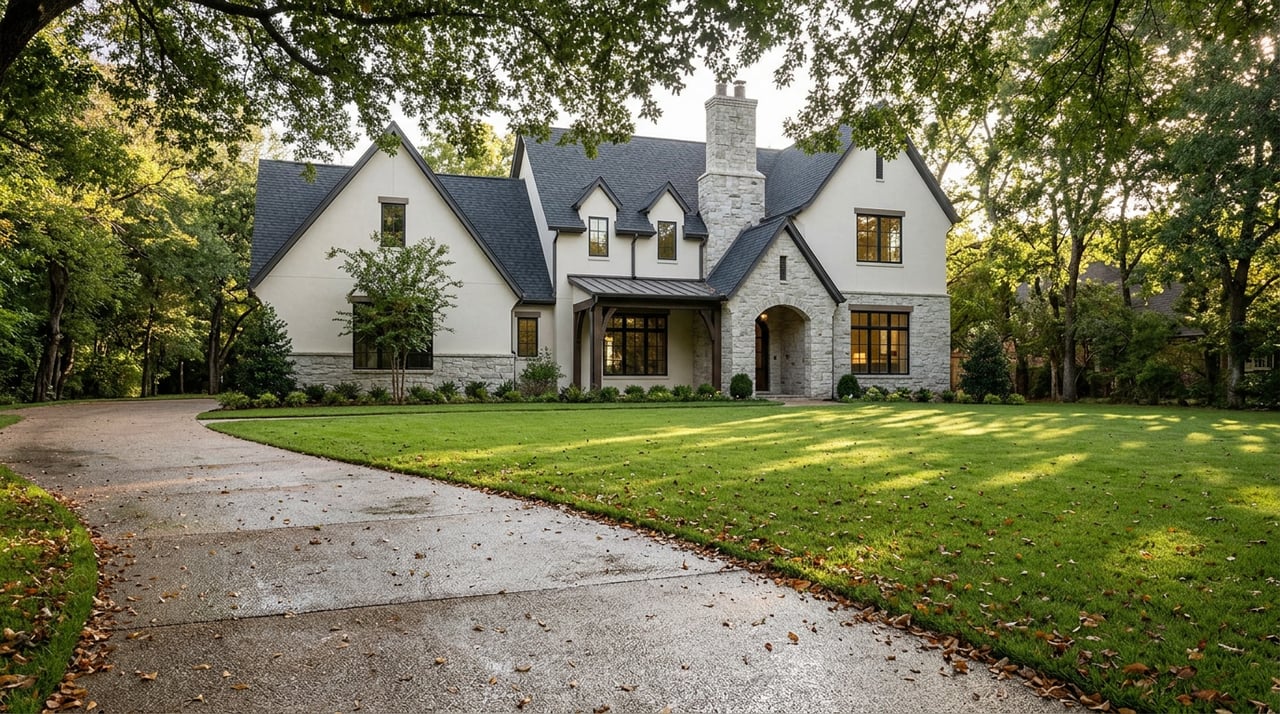
If you love the idea of a wooded driveway and a short ride to dinner in Green Hills, you are likely choosing between Forest Hills and Belle Meade. Both feel calm and green, yet each offers a distinct vibe and property profile. In this guide, you will learn how they differ on lot sizes, architectural character, privacy, nearby parks, access to Nashville, and current pricing snapshots so you can decide with confidence. Let’s dive in.
Quick facts and governance
Both Forest Hills and Belle Meade are legally independent cities inside Davidson County. Each maintains local services while coordinating with Metro Nashville for others. That status helps preserve their character and development patterns over time.
- Forest Hills: about 9.24 square miles, population around 5,038 per the 2020 Census. It is an incorporated “satellite” city with its own municipal government. Learn more about Forest Hills.
- Belle Meade: about 3.07 square miles, population around 2,901 per the 2020 Census. It grew from the historic Belle Meade Plantation and today functions as a small independent city within Davidson County. Get Belle Meade background.
Character, lots, and zoning
Forest Hills: large lots and open space
Forest Hills reads like a wooded suburb with intentionally low density. Many built parcels are roughly 1 to 2 acres, and larger estate parcels exist as well. The city’s zoning emphasizes open space and a low‑density pattern that protects the “wooded hills” character. For specific standards, review the city’s zoning ordinance and related conservation language in Title 14 and recent ordinances. You can see a redlined ordinance chapter here for reference: Forest Hills zoning ordinance document. Background context is also summarized on Forest Hills’ city profile.
Bottom line: If you picture room to breathe under mature canopy and longer setbacks, Forest Hills often delivers that feel.
Belle Meade: curated estates and historic plats
Belle Meade blends very large estate parcels, especially near the historic core, with early 20th‑century subdivisions that offer smaller, though still generous, lots. The city has been updating its zoning to clarify residential districts and preserve the curated streetscape that residents value. For a high‑level overview of how the city formed and evolved, see Belle Meade’s history and city profile.
Bottom line: Expect a mix. You will see trophy estates on deep grounds as well as planned garden‑suburb blocks where lot sizes are smaller than the big estates but remain substantial by urban standards.
Homes and architecture
Belle Meade’s architectural pedigree
Belle Meade’s identity ties to the plantation‑era mansion in Greek Revival style, with surrounding late‑19th and early‑20th‑century estates that lean neoclassical and other revival forms. Subdivisions like Belle Meade Links showcase Tudor, Arts & Crafts, and early suburban revival styles. High‑end renovations and new builds appear across the city, yet the overall effect remains formal and historic in tone. Explore the area’s historic context through the Belle Meade city profile.
Forest Hills’ mid‑century to modern blend
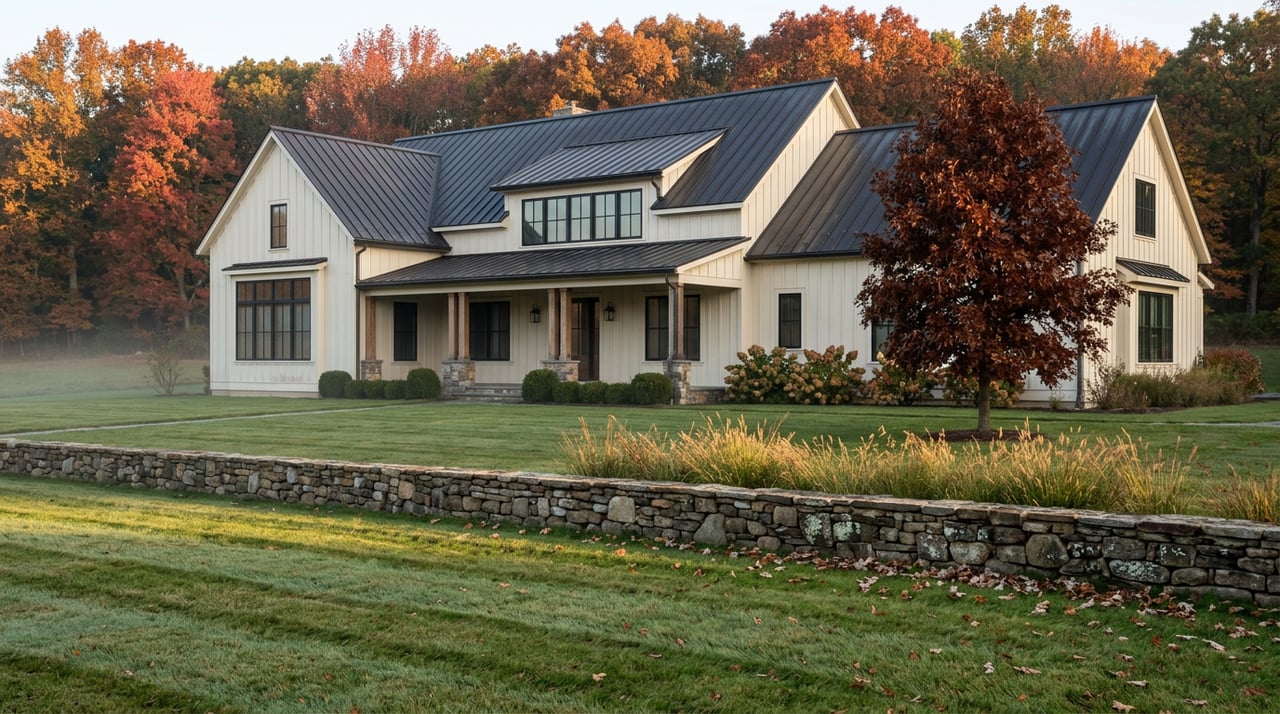
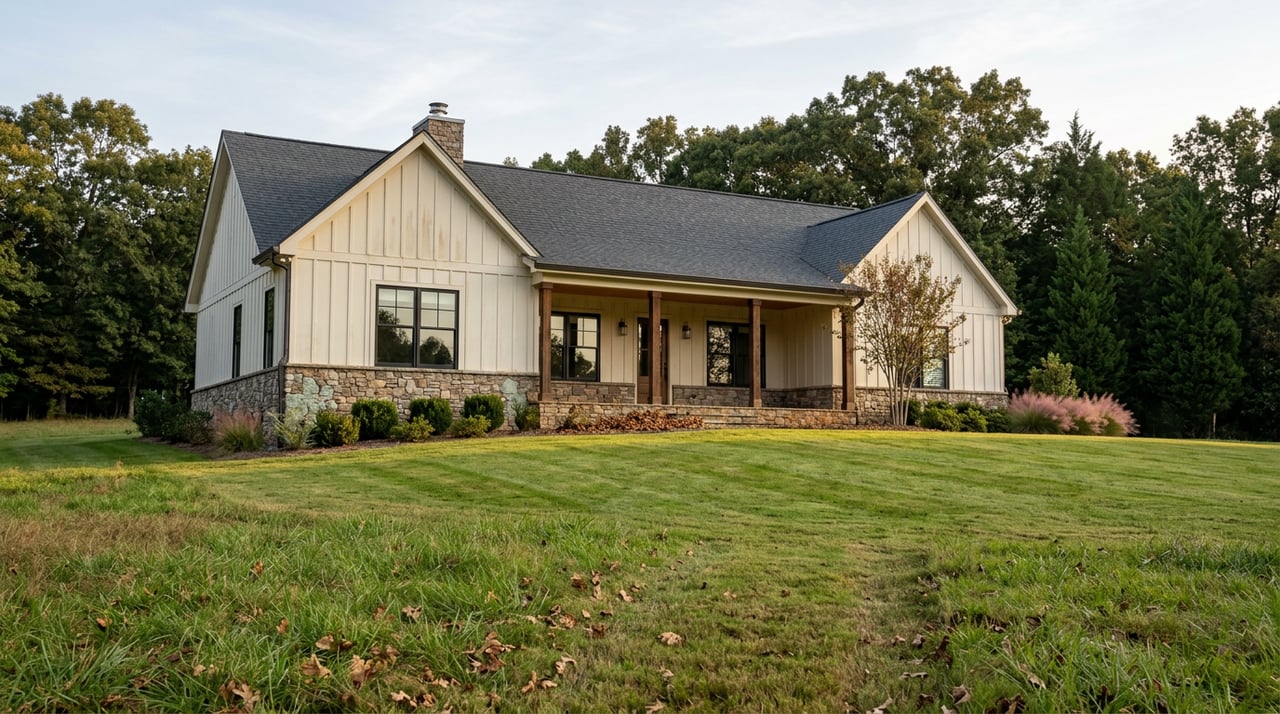
Forest Hills features mid‑century ranches, renovated classics, and custom estates, often oriented to the hills and trees. Many homes sit back from the road, with low‑slung profiles tucked into ridgelines or contemporary builds that open to the landscape. New luxury construction appears alongside preserved mid‑century footprints, giving buyers diverse options. See a community overview on the Forest Hills city profile.
Privacy and tree canopy
Both neighborhoods are prized for mature trees and a sense of retreat near the city. Forest Hills often feels more woodland and secluded due to its topography and large‑lot pattern. Belle Meade presents manicured privacy along grand boulevards, with many homes set behind formal lawns and curated landscaping. Forest Hills’ municipal language explicitly treats large lots and canopy retention as policy goals, reinforcing that quieter, wooded aesthetic. A helpful frame: Forest Hills feels like a private country lane, while Belle Meade feels like a curated park lined with grand homes.
Parks, greenways, and outdoor access
One of the biggest advantages of both areas is how quickly you can shift from your own yard to major parkland. You can walk or drive a short distance to trailheads, gardens, and cultural green spaces.
- Warner Parks: Percy and Edwin Warner Parks offer extensive hiking and equestrian trails, overlooks, and event spaces. The nonprofit Friends of Warner Parks partners with Metro Parks to steward these assets. Explore programs and maps via Friends of Warner Parks.
- Radnor Lake State Natural Area: A protected natural area known for wildlife viewing and several miles of hiking trails, with an urban‑wilderness feel close to home. Learn more through the Tennessee State Parks reservation site at Radnor Lake’s page.
- Cheekwood Estate & Gardens: A 55‑acre historic estate and botanical garden at the edge of these neighborhoods, with seasonal exhibits, an outdoor sculpture trail, and events. Details are at Cheekwood Estate & Gardens.
- Belle Meade Historic Site & Winery: The preserved mansion and grounds offer tours and events that add cultural texture to daily life nearby. See options at the Belle Meade Historic Site & Winery.
Location and access
Both cities sit on Nashville’s western and southwestern side within Davidson County. They offer quick connections to Green Hills retail and the Brentwood and Williamson County corridor. Based on published city coordinates, Belle Meade sits roughly 6 miles straight‑line from downtown Nashville, and Forest Hills is about 7 to 8 miles straight‑line. Actual drive times vary by route and traffic, but many residents describe them as minutes‑to‑downtown by car in normal conditions. Common routes include Harding Pike, Hillsboro Pike, I‑65, and I‑440. For broader context on siting and boundaries, see Belle Meade and Forest Hills.
Market snapshot and price context
Prices change quickly, and every parcel is unique, but recent snapshots give a useful range. As of January 2026, Redfin’s neighborhood summary reported a median sale price in the multimillion‑dollar range for Belle Meade, with one snapshot around 4.35 million. Inventory spans renovated historic mansions, formal estates, and high‑end new construction, with trophy properties reaching well into eight figures. In Forest Hills, the high‑end segment commonly ranges from about 1 million to 5 million and above, with larger estates trading higher. Lot acreage, slope, renovation level, and build potential drive significant variability. These figures are directional only and reflect Redfin snapshots as of January 2026.
If you plan to buy or sell, ask for an up‑to‑the‑minute analysis tied to your specific address or search area. On the buy side, site conditions, setbacks, and tree‑preservation rules can be just as important as sale comps when you weigh value.
Which neighborhood fits you
Choose Forest Hills if you value
- Larger lots that often measure around 1 to 2 acres, with a strong canopy and a woodland feel.
- A quiet setting where homes sit farther back, and driveways wind through trees.
- Mid‑century character homes, custom estates, and opportunities for thoughtful new builds within a conservation‑minded framework.
Choose Belle Meade if you value
- A formal, historic streetscape with grand boulevards and curated landscaping.
- Architectural pedigree, from classic revival estates to high‑end contemporary builds in a historic context.
- A prestigious, close‑in address with quick access to Warner Parks, Green Hills, and major arteries.
Zoning, tear‑downs, and due diligence
Both cities regulate land use to protect neighborhood character. Forest Hills’ ordinances emphasize open space and low density, with large lots and canopy retention as policy goals. Belle Meade has been clarifying its residential districts through ongoing zoning updates to preserve the city’s curated look and feel. For authoritative detail, consult the municipalities’ ordinances, including the Forest Hills zoning ordinance document, and the city profile for Belle Meade for context. Before you design a renovation or consider a tear‑down, verify setbacks, tree‑preservation standards, drainage, and slope conditions.
Ready to compare addresses on the ground
If you are weighing Forest Hills against Belle Meade, a clear plan matters. Start with three questions: How much privacy and acreage do you want, how formal or natural do you want the setting to feel, and how close do you want to be to specific park trailheads or major routes? Then layer in site‑specific data. In practice, a half‑acre difference or a steeper grade can change everything from buildability to outdoor‑living potential.
For help reading lot lines, zoning language, and market nuance in context, connect with Greg Sanford. You will get principal‑level guidance, a discreet process, and a plan tailored to your goals.
FAQs
Which has larger lots and more privacy, Forest Hills or Belle Meade?
- Forest Hills often emphasizes larger wooded lots around 1 to 2 acres and a strong canopy, while Belle Meade mixes very large estates with smaller, still generous historic lots; confirm parcel size for any address via official records.
How close are Forest Hills and Belle Meade to downtown Nashville?
- Belle Meade sits about 6 miles straight‑line from downtown and Forest Hills about 7 to 8 miles; drive times vary by route and traffic, so expect a minutes‑to‑downtown commute in typical off‑peak conditions.
Where do residents go for trails and green space nearby?
- Percy and Edwin Warner Parks, Radnor Lake State Natural Area, Cheekwood Estate & Gardens, and the Belle Meade Historic Site & Winery provide trails, gardens, and cultural green space within a short drive.
What home styles are common in each city?
- Belle Meade features revival‑era estates, Tudor and Arts & Crafts in planned subdivisions, and high‑end new builds; Forest Hills offers mid‑century ranches, renovated classics, and custom estates shaped by wooded hills.
What do homes cost in 2026 in these areas?
- Belle Meade’s median sale price was in the multimillion range, with a snapshot around 4.35 million in January 2026; Forest Hills commonly ranges from about 1 million to 5 million and higher, depending on lot size and home specifics.
Are there rules that affect tear‑downs and new builds?
- Yes, both municipalities regulate land use; Forest Hills highlights open space and canopy, while Belle Meade has been clarifying districts to protect character; check current ordinances before planning changes.