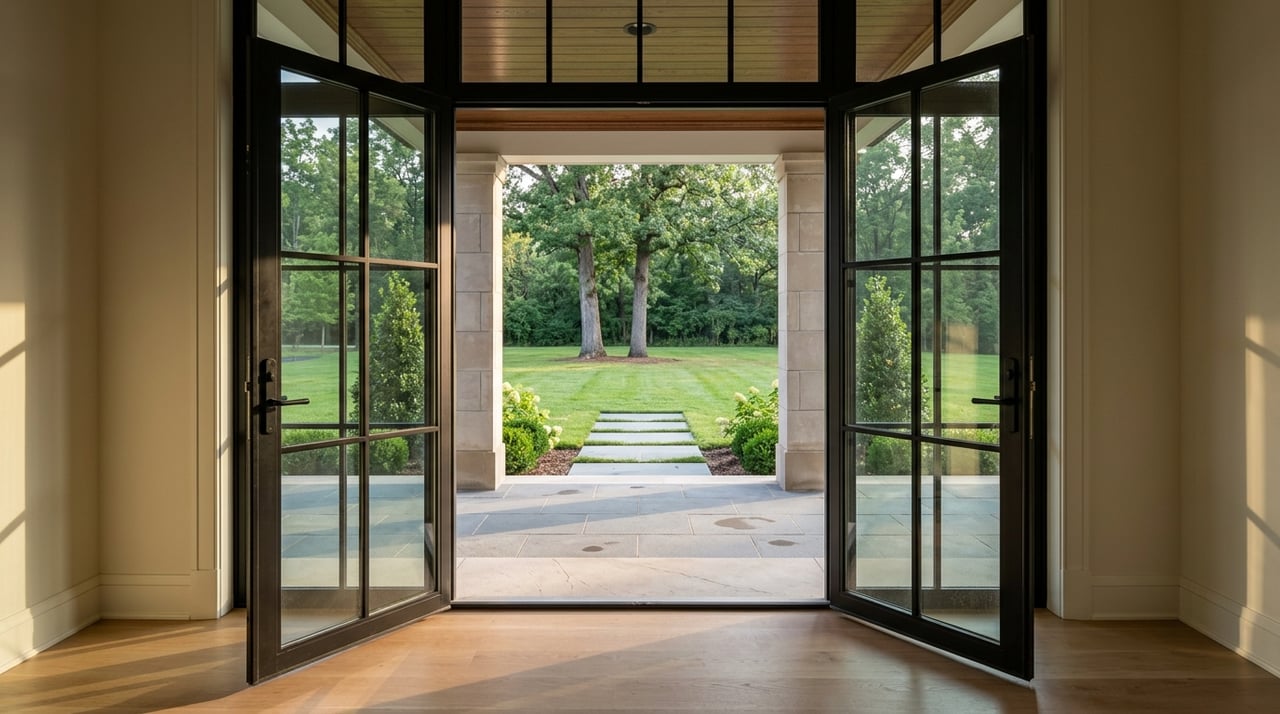
Wondering what it really feels like to own a home in Leiper’s Fork? If you are drawn to quiet roads, open land, and a place with a strong sense of character, this part of Williamson County offers a very different experience from a typical suburban neighborhood. Owning here can be deeply rewarding, but it also comes with practical realities that matter before you buy. Let’s dive in.
Leiper’s Fork Feels Distinct
Leiper’s Fork is an unincorporated rural village in western Williamson County, within the 37064 ZIP code. It sits along the Natchez Trace Parkway, just outside Franklin and about 30 miles southwest of downtown Nashville, or roughly a 40-minute drive.
That location gives you an unusual mix of privacy and access. You can enjoy a slower, more rural setting while still reaching Franklin for everyday services and Nashville for work, dining, or travel. For many buyers, that balance is the appeal.
Rural Living Shapes Daily Life
Life in Leiper’s Fork is centered more on place than convenience. Instead of a dense cluster of big-box stores and suburban retail, you get a compact village core surrounded by rural land and open space.
Williamson County identifies Leiper’s Fork as one of four village centers, with a small mixed-use core and limited infrastructure. The special-area plan described the area as roughly 110 parcels across about 1,100 acres, with around 650 people. That small scale is part of what gives the village its identity.
Arts, Music, and Local Culture Matter
If you own a home here, you are buying into a cultural rhythm as much as a property. Daily life often connects back to arts, music, antiques, and destination dining rather than a fast-paced suburban routine.
Fox & Locke has operated since 1947 and hosts live shows on Wednesday, Friday, and Saturday, along with a Thursday open mic. Leiper’s Creek Gallery combines regional art with its Lawnchair Theater, and Leiper’s Fork Distillery offers tours and tastings in a restored 1829 log home.
Recurring events also help shape the atmosphere throughout the year. Local highlights include Pickin’ Leiper’s Fork, ForkFest, the Christmas Parade, holiday markets, and art shows. For homeowners, that means your community identity is tied to small-scale gatherings and local traditions rather than large commercial attractions.
Homes Often Come With Land
One of the biggest differences in Leiper’s Fork is the kind of property you are likely to find. This is not a market defined by rows of similar houses on compact lots.
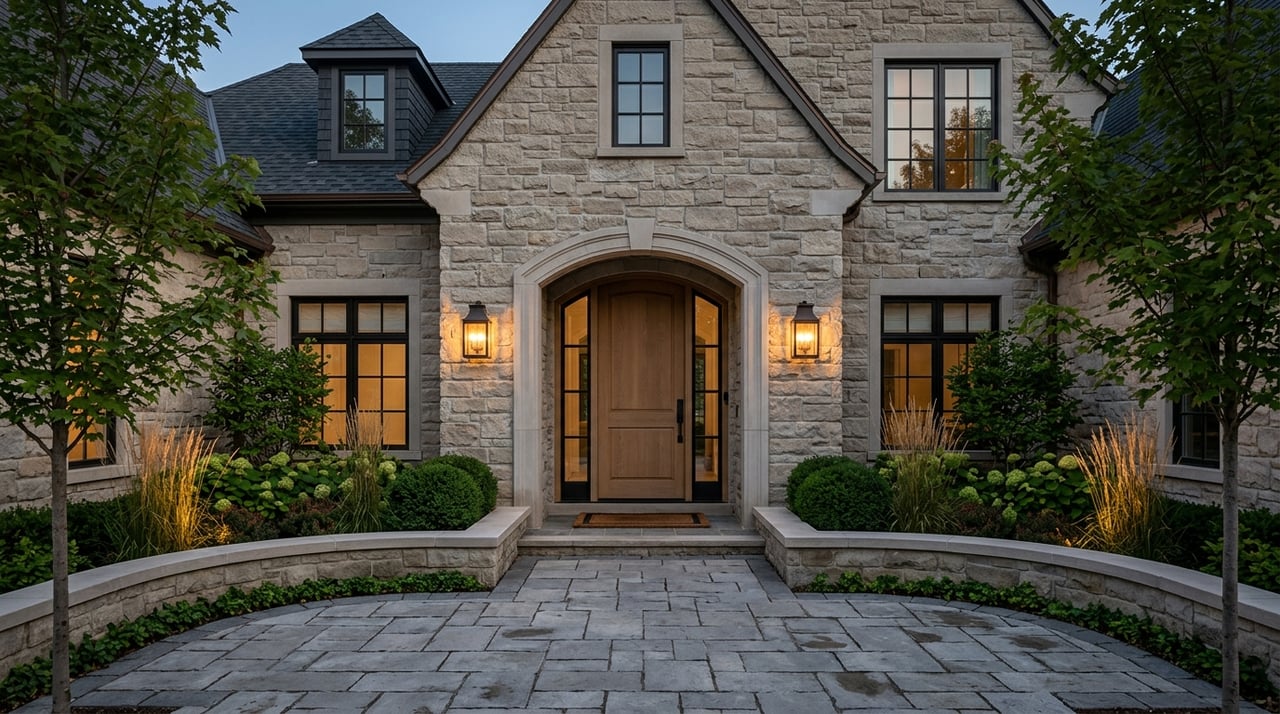
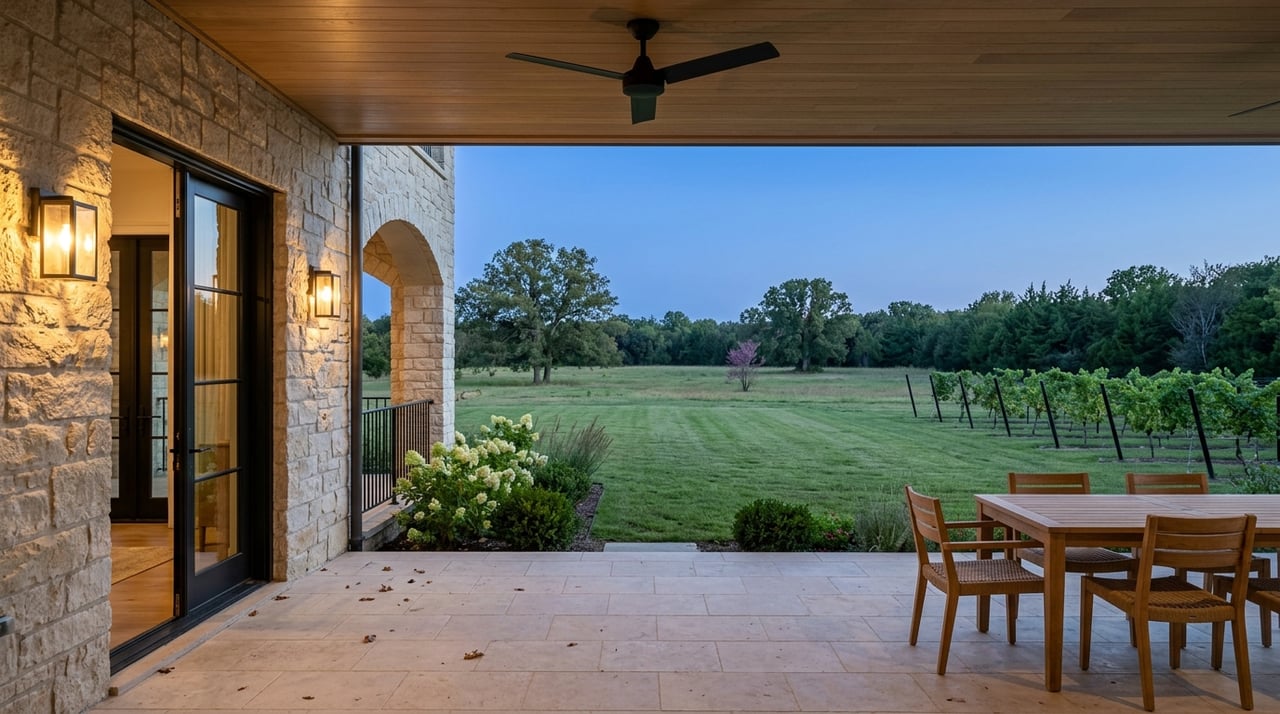
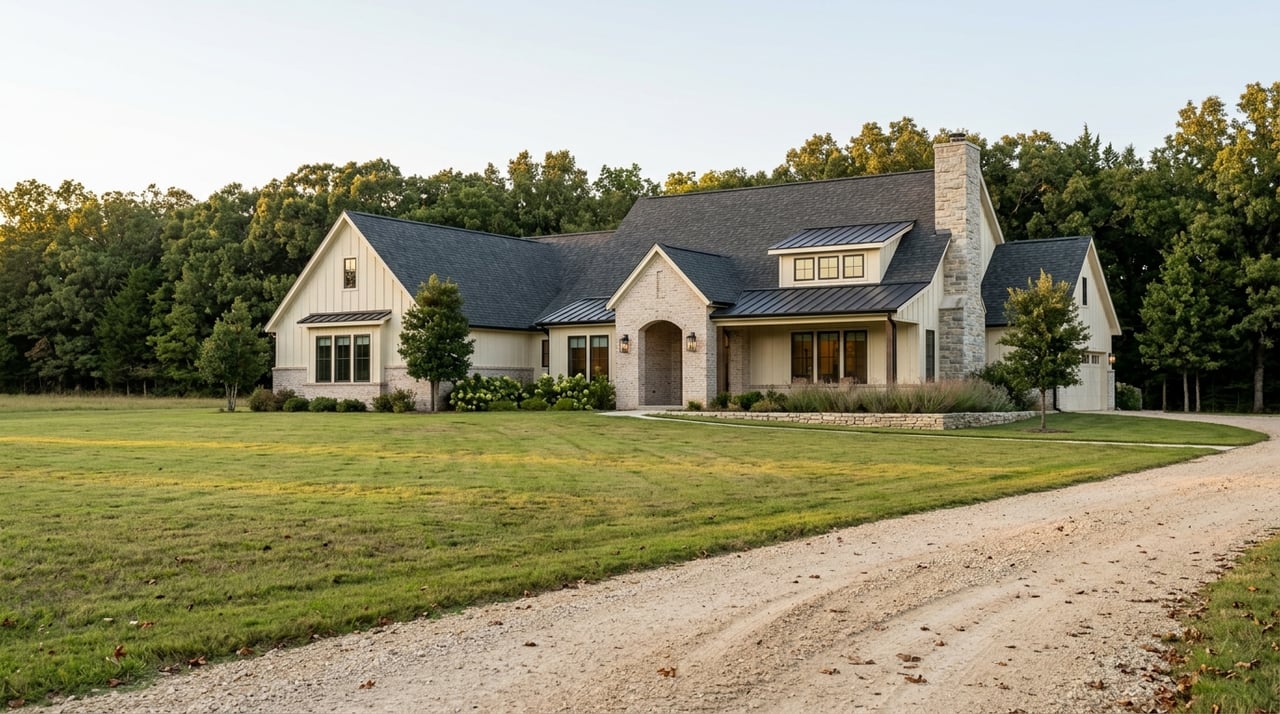
Instead, the area often includes historic cottages, restored older homes, custom estates, and land-rich properties. Current examples in the area have included a 12.85-acre horse farm, a 15-acre equestrian estate, a 16-acre retreat, and a 3.23-acre pasture property with barns and access to Natchez Trace horse trails.
That pattern reflects the area’s character. In Leiper’s Fork, the land can be just as important as the house itself.
Historic Character Is Part of Ownership
The village core includes a National Register historic district with resources dating from 1825 to 1949. The documented architecture includes styles such as Queen Anne and Craftsman, which helps explain why the area feels layered and authentic rather than planned all at once.
For you as an owner, that historic character can be a meaningful part of daily life. Streetscapes tend to feel more organic, and properties often have individual history, design details, and setting that would be hard to replicate in newer developments.
Preservation Affects What You Can Do
Leiper’s Fork ownership is not only about charm. It is also shaped by preservation-minded planning and development limits.
Williamson County’s planning framework calls for new buildings to fit the scale and character of the village. It also concentrates retail and restaurant uses in the core, while encouraging agricultural and agri-tourism uses plus open space around the perimeter.
That matters if you are considering renovations, a new build, or a property with acreage. In this area, the fit between your plans and the surrounding setting is an important part of the ownership experience.
Septic and Land Suitability Matter
One of the most important practical realities in Leiper’s Fork is infrastructure. County planning states that sewer service is not available in the village, and septic systems are the only wastewater option.
The same plan notes that soils limit many sites. In real terms, that means you should look carefully at septic viability, parcel layout, and land conditions, especially if you are buying acreage or thinking about future improvements.
This is where local knowledge becomes especially valuable. A property may be beautiful on paper, but the details of the site can shape how you use it over time.
Expect a Slower, Less Dense Lifestyle
Compared with central Franklin, Leiper’s Fork is more rural, lower density, and more preservation-driven. Downtown Franklin offers a 15-block historic district with boutiques, restaurants, galleries, tours, and major annual festivals. The City of Franklin also reports a population of about 78,000, which gives you a sense of how much larger and more amenity-dense it is.
Leiper’s Fork offers something different. The village is built around a small core with surrounding rural land, so your daily routine will likely involve more driving, more space, and fewer nearby commercial options.
That tradeoff is exactly what many homeowners want. If you value room to breathe, scenic surroundings, and a more tucked-away feel, Leiper’s Fork can be a strong fit.
The Market Is Not Just Franklin With Acreage
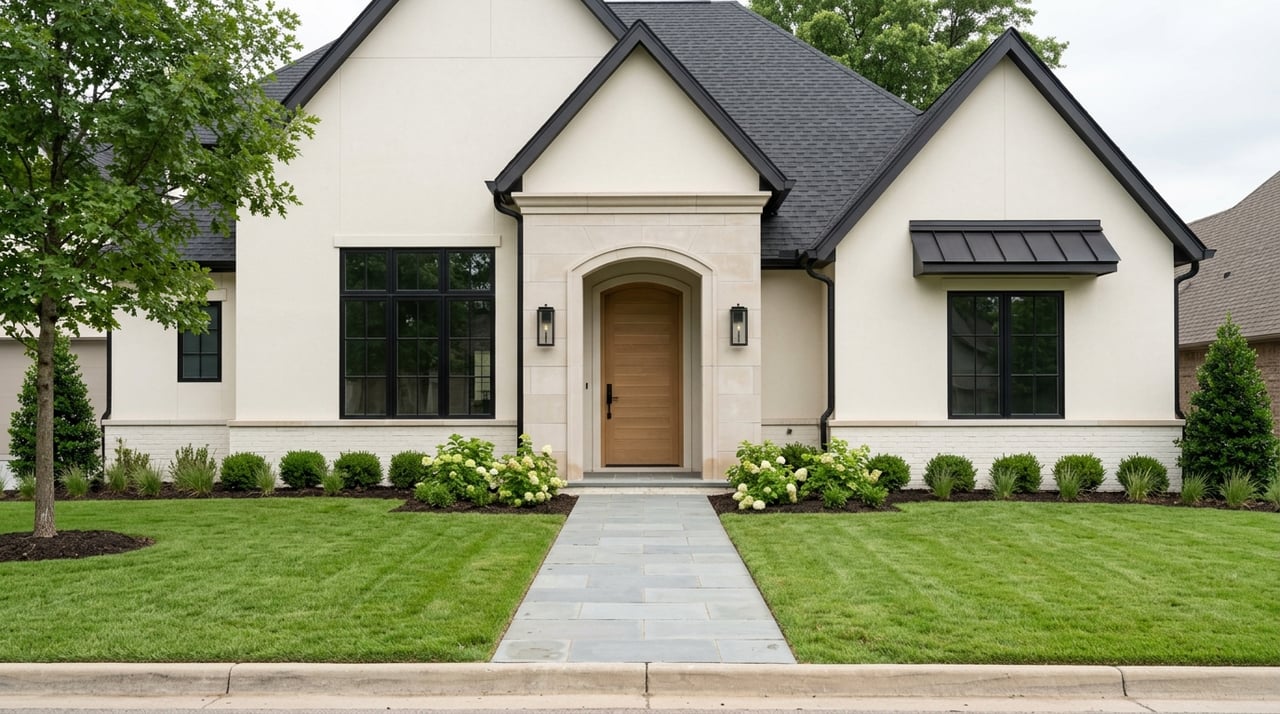
It helps to think of Leiper’s Fork as its own market identity rather than an extension of Franklin. Franklin listings can include more conventional housing forms, such as townhomes and smaller-lot single-family homes. In Leiper’s Fork, available properties tend to skew toward acreage, horse properties, and custom estates.
For broader context, Redfin reported a March 2026 median sale price of $955,000 in the 37064 ZIP and $826,900 in Franklin overall. Those numbers should be treated as broad benchmarks, since 37064 includes multiple submarkets and is not limited to Leiper’s Fork.
The takeaway is simple. If you are shopping in Leiper’s Fork, you are often evaluating a different kind of asset, where land, setting, and long-term usability can carry as much weight as square footage.
What Ownership Often Looks Like
Owning a home in Leiper’s Fork often means embracing a specific lifestyle and a different set of responsibilities. Depending on the property, that may include:
- Managing acreage, fencing, barns, or pasture areas
- Understanding septic needs and site limitations
- Maintaining an older home or historic features
- Accepting a quieter setting with fewer nearby retail conveniences
- Enjoying a stronger connection to music, art, and local events
- Prioritizing privacy, space, and setting over dense amenities
For the right buyer, those are not drawbacks. They are the reason to be here.
Why Local Guidance Makes a Difference
In a place like Leiper’s Fork, buying well means looking beyond the photos and finishes. You need to understand how county planning, land characteristics, and the village setting may affect the property now and later.
That is especially true if you are considering a farm, estate parcel, or a home with future improvement potential. A careful review of the land, layout, and practical constraints can help you make a more confident decision.
If you are thinking about buying or selling in Leiper’s Fork, working with a brokerage that understands land, farms, and Williamson County process can give you a clearer picture of what a property really offers. To start a private conversation, connect with Greg Sanford.
FAQs
What is Leiper’s Fork in Williamson County, TN?
- Leiper’s Fork is an unincorporated rural village in western Williamson County within the 37064 ZIP code, known for its small village core, surrounding rural land, and preservation-focused identity.
What is daily life like in Leiper’s Fork?
- Daily life in Leiper’s Fork is shaped by a quieter rural setting, with arts, music, antiques, destination dining, and local events playing a bigger role than suburban shopping or dense commercial amenities.
What kinds of homes are common in Leiper’s Fork?
- Homes in Leiper’s Fork often include historic cottages, restored older homes, custom estates, horse properties, and acreage-heavy parcels rather than compact-lot subdivisions.
What should buyers know about infrastructure in Leiper’s Fork?
- Buyers should know that sewer service is not available in the village, septic systems are the wastewater option, and soil conditions can limit some sites.
How is Leiper’s Fork different from downtown Franklin?
- Leiper’s Fork is more rural, lower density, and centered on a small village core, while downtown Franklin is more walkable, more populated, and has a wider concentration of shops, restaurants, and festivals.
Is buying in Leiper’s Fork mainly about the house?
- No, buying in Leiper’s Fork is often about the full property, including land, layout, usability, and how the site fits the area’s preservation and rural character.