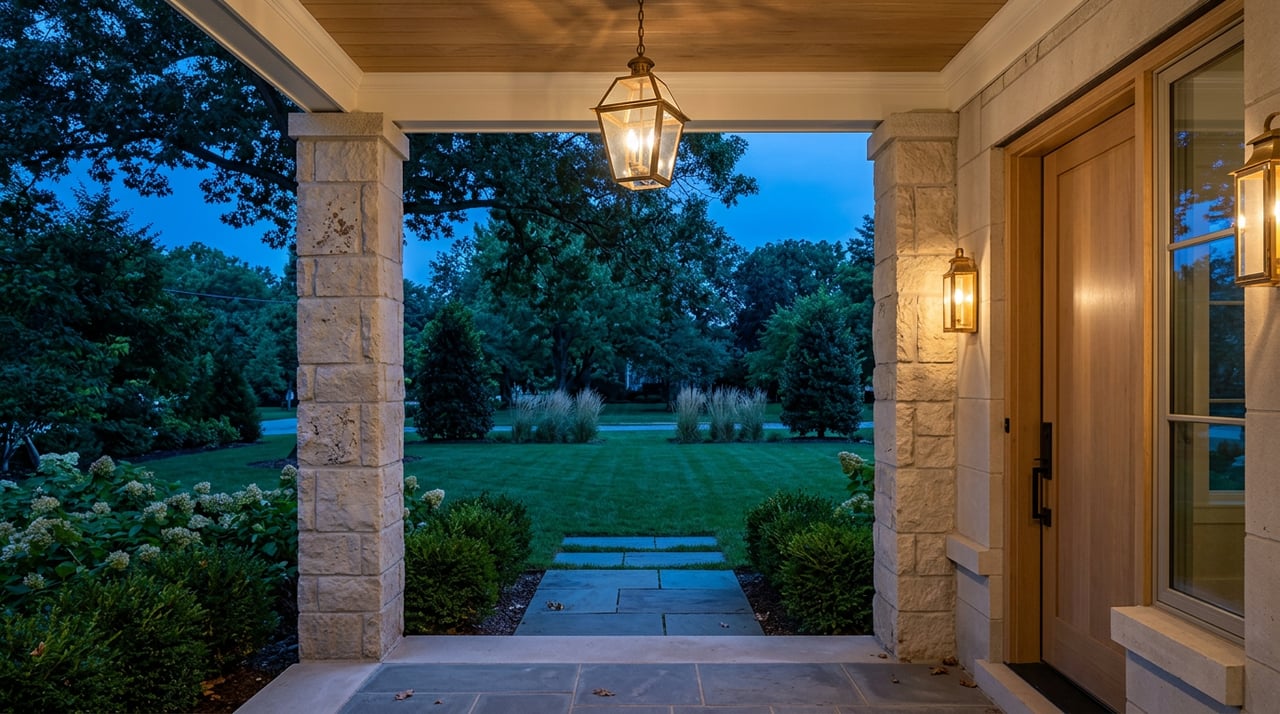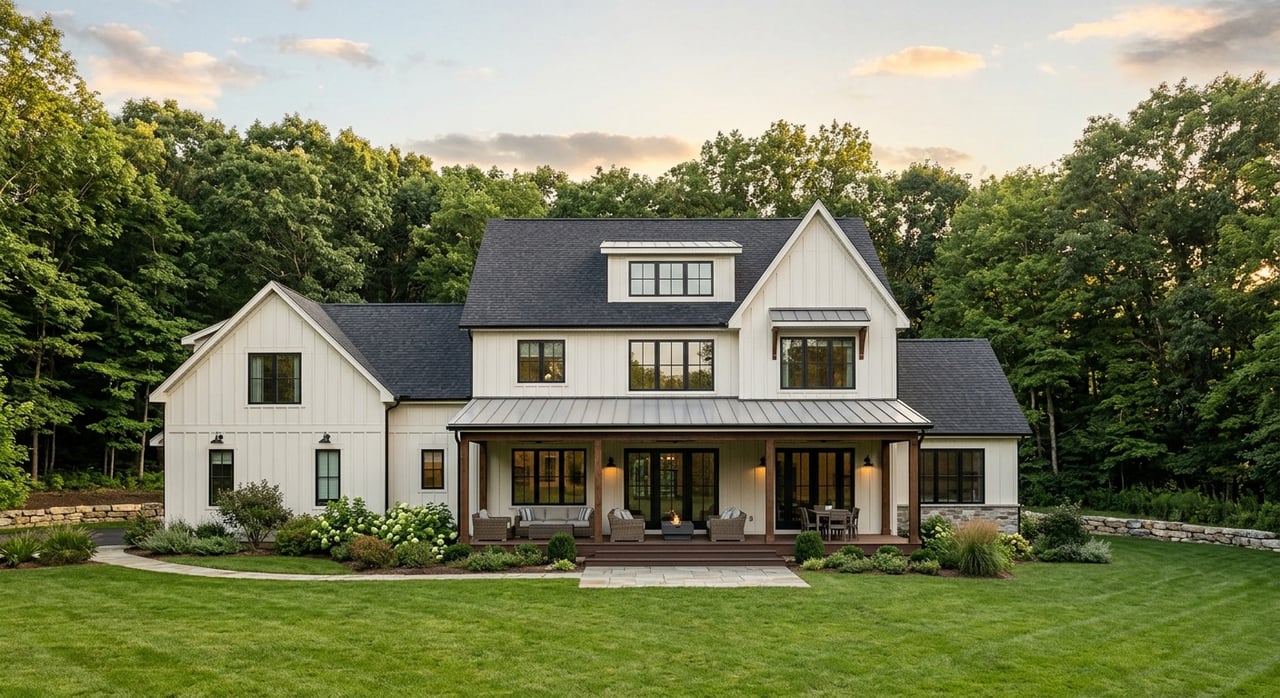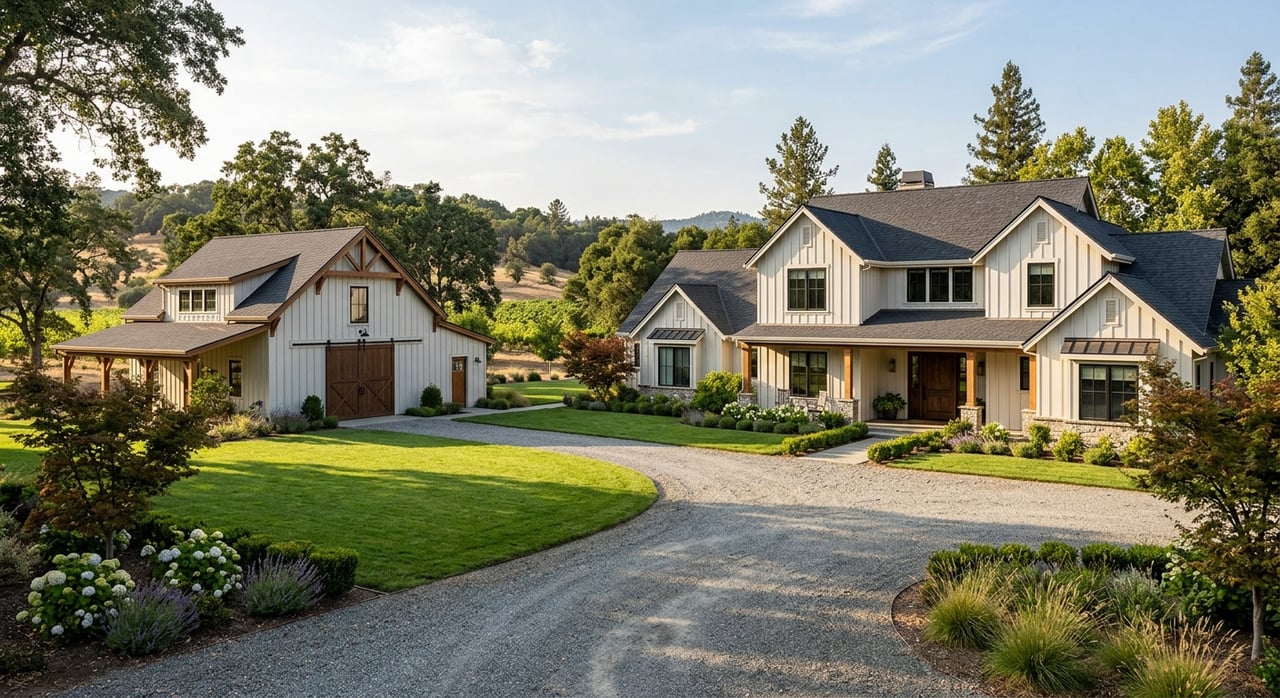
Are you selling more than a house in Thompson's Station? With small farms, mini-farms, and estate parcels, the real value often lives in the land itself, from acreage and privacy to access and future-use potential. If you want to position that kind of property well, you need more than standard listing photos and a price per square foot. You need a strategy built around local rules, buyer priorities, and the details that shape value in south Williamson County. Let’s dive in.
Why Thompson's Station Is Different
Thompson's Station sits between Franklin and Spring Hill in south Williamson County, about 30 miles from Nashville. According to the town’s planning documents, the 2020 Census population was 7,485, and the town covers roughly 22 square miles. It remains a place where active agricultural uses and newer development exist side by side.
That mix matters when you sell a small farm or estate property. Buyers are often looking at more than the residence. They may be weighing privacy, usable land, road frontage, access, outbuildings, and how the property fits into the town’s long-term growth pattern.
The town’s Land Development Ordinance is designed to preserve Thompson's Station’s small-town character while balancing housing variety and growth. For sellers, that means your property’s story should reflect both what it is today and how it fits within the town’s planning framework. A well-positioned offering can speak to lifestyle appeal and practical land value at the same time.
Start With Jurisdiction
One of the first things to verify is whether the property is actually inside Thompson's Station town limits. The town notes that ZIP code 37179 does not define municipal boundaries. Some Thompson's Station addresses are in Spring Hill, and some Franklin addresses are inside Thompson's Station.
That distinction affects which rules apply. Property within corporate limits falls under the town’s Land Development Ordinance, while unincorporated land is governed by Williamson County subdivision and zoning rules. Before you market future possibilities, you need to know which jurisdiction controls the site.
This is especially important for larger parcels and farm-like properties. A buyer evaluating an estate tract, second homesite, or future split will want a clear picture of what authority applies. Getting that answer early helps avoid confusion later in the transaction.
Verify Utilities Before You List
Utility information can strongly influence buyer interest and pricing. Thompson's Station says water service is provided by H.B. & T.S. Utility District, while sewer service is limited to specific subdivisions. If public sewer is not available, individual disposal systems must be approved by the Williamson County Department of Sewage Disposal Management.
For many small farms and estate parcels, that difference is a major pricing factor. A property with confirmed utility access may appeal to one buyer profile, while a property that depends on septic review may appeal to another. Financing, expansion plans, and even a buyer’s confidence can hinge on these details.
The safest approach is to confirm utility status before the listing goes live. That way, your marketing is factual, your buyer conversations are stronger, and your contract terms can reflect reality rather than assumptions.
Build a Strong Due Diligence Packet
When you sell acreage, clarity creates leverage. Buyers are more likely to engage seriously when the property is easy to review and underwrite. A complete due diligence package helps your property stand out and reduces uncertainty during negotiations.
Useful materials often include:
- Current survey
- Acreage verification
- Boundary and aerial maps
- Road frontage details
- Ingress and egress information
- Easements
- Utility locations and service status
- Septic or soil documentation, if available
- Outbuilding inventory
- Known drainage or site constraints
This level of preparation matters in Thompson's Station because site conditions can affect what a buyer can actually do with the land. The town’s Land Development Ordinance references resource inventory items such as floodplains, wetlands, woodlands, drainage ways, slopes, sinkholes, ridgelines, mined or disturbed areas, and historical or cultural features for many development proposals. If access is by easement, Planning Commission approval may also be required.
Check Greenbelt Status Early
If the property has a farm-like use, greenbelt status should be reviewed before listing. Williamson County says new owners must reapply for greenbelt. It also notes that agricultural land generally must be at least 15 acres and actually in agricultural use.
Greenbelt can affect how buyers view taxes and ongoing ownership costs. The Tennessee Comptroller explains that qualifying land is valued on present use rather than market value. That can be helpful for current ownership, but a change in use after a sale may trigger rollback assessment.
Williamson County states that rollback taxes can apply when land is sold and converted to a non-greenbelt use. The state says those rollback taxes recapture tax savings from the prior three years for agricultural and forest land. For sellers, this means greenbelt is not just a tax detail. It is part of the negotiation and should be addressed clearly in the contract.
Know What Different Buyers Want
Not every buyer is looking at your property the same way. In Thompson's Station, small farms and estates often draw several very different audiences. The way you market the property should match the audience most likely to pay for its strengths.
Lifestyle Buyers
Lifestyle and hobby-farm buyers often care most about daily usability. They may focus on a comfortable homesite, open pasture, fencing, barns, sheds, and manageable maintenance. These buyers are often drawn to the area’s rural feel and practical land use.
The town’s T2 Rural district is described as sparsely settled land in open or cultivated states, including woodland, agricultural land, and pasture. It also contemplates single-family residential uses associated with agricultural uses. That helps explain why country-living buyers continue to look closely at this part of Williamson County.
Estate Buyers
Estate buyers tend to respond to privacy, views, and a rural setting with access to the broader Williamson County area. In many cases, the parcel itself helps create the sense of place. Even when the property is not a working farm, larger acreage can support an estate positioning if the setting is right.
In Thompson's Station, the town’s planning framework emphasizes preservation of distinctive, historical, small-town character while allowing a mix of housing options and lot sizes. For sellers, that means the setting and land experience may be just as important as the structure when presenting the property.
Land Investors and Small Developers
Development-minded buyers usually analyze a different checklist. They look closely at road frontage, access, utility availability, septic feasibility, and whether the parcel sits near areas where future growth is expected. They also care about transportation and review requirements.
The town’s Growth Plan Update says the revised urban growth boundary will determine where the town will grow through 2040, while also noting that it is not an annexation plan. A parcel near that boundary may attract different interest than one deeper in a more rural area. That difference can shape both pricing strategy and buyer outreach.
Access and Frontage Matter More Than Many Sellers Think
For larger parcels, access is not a side note. It is often part of the value story. The town’s Major Thoroughfare Plan shows current traffic pressure on several corridors and projects additional congestion by 2045 if major improvements are not made.
That gives road frontage, driveway placement, and sight lines real importance. A parcel with clear access and strong frontage may appeal to a broader pool of buyers than a similar property with a difficult entrance or limited visibility. In some cases, these practical features influence marketability as much as the house or acreage count.
If your property has multiple access points, strong frontage, or a layout that supports easy entry and exit, those features should be documented and highlighted. For buyers thinking about future use, those details can shape how they assess the opportunity.
Price Current Use and Future Potential Separately
One of the biggest mistakes in selling small farms and estates is blending every value theory into one number without support. In Thompson's Station, it is often better to separate the property’s current-use value from its future-use potential. That creates a clearer and more credible pricing narrative.
Greenbelt is part of the reason. Because qualifying land is valued on present use rather than market value, tax treatment may not reflect what some buyers believe the land could become. A buyer interested in country living will assess value differently than a buyer studying frontage, utilities, and long-term growth patterns.
That does not mean every property should be marketed as a development play. It means your pricing should match facts that can be verified. The strongest strategy is usually one that presents the parcel honestly, supports the current use, and explains any future-use angle without overstating it.
Use Contracts to Reduce Risk
Clear contract terms are especially important when the property includes acreage, agricultural use, or potential future changes. Sellers should identify what conveys and what does not. That may include barns, fencing, equipment, crop interests, livestock arrangements, or tenant occupancy.
Greenbelt should also be addressed directly. Williamson County says new owners must reapply for greenbelt, and rollback assessment can arise when land is sold and converted to a non-greenbelt use. It is wise to define responsibility for any greenbelt-related exposure during contract negotiations rather than leaving it vague.
If the property relies on onsite sewage disposal, the offer should stay contingent on current county septic review and any needed soil or permit confirmation. Williamson County’s sewage-disposal rules are active and subject to updates, so sellers should avoid promising buildability without current confirmation. This is particularly important when a buyer is evaluating a second homesite, additional dwellings, or future subdivision potential.
Why Local Strategy Matters
Selling a small farm or estate in Thompson's Station is rarely a plug-and-play process. You are dealing with a market where municipal boundaries, utility service, septic feasibility, transportation planning, growth boundaries, and greenbelt status can all affect value. Those details require local knowledge and disciplined preparation.
That is where principal-level guidance can make a difference. A seller benefits from a strategy that combines presentation, due diligence, and practical understanding of Williamson County processes. The goal is not just to list the property. It is to position it in a way that attracts the right buyer, supports the asking price, and reduces avoidable surprises.
If you are preparing to sell a small farm, mini-farm, or estate parcel in Thompson's Station, a tailored plan can help you protect value and move with confidence. For discreet, principal-led guidance, request a private consultation with Greg Sanford.
FAQs
What should you verify before selling a small farm in Thompson's Station?
- You should confirm jurisdiction, utility service, septic status, survey details, access points, easements, and greenbelt status before listing.
Why does jurisdiction matter for Thompson's Station land sales?
- Jurisdiction matters because properties inside Thompson's Station corporate limits follow the town’s Land Development Ordinance, while unincorporated properties follow Williamson County rules.
Does greenbelt status affect a farm or estate sale in Williamson County?
- Yes. New owners must reapply for greenbelt, and rollback assessment may apply if the land is sold and converted to a non-greenbelt use.
Why are access and road frontage important for estate parcels in Thompson's Station?
- Access and frontage matter because traffic pressure and long-term corridor planning can influence buyer interest, usability, and future potential.
Can you market future buildability for land in Thompson's Station?
- You should be careful and base any future-use discussion on verified facts such as jurisdiction, utility availability, septic review, and applicable town or county requirements.