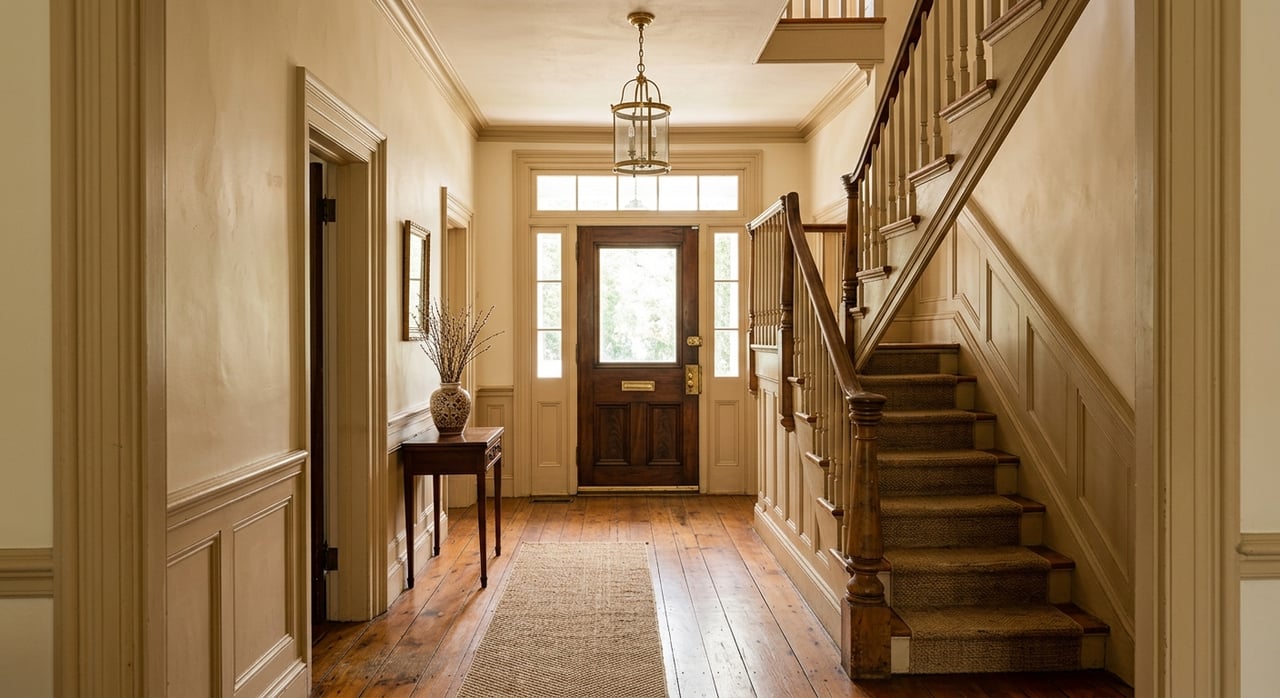
If you own a historic home in Franklin, getting it ready for the market is not the same as prepping a newer property. Buyers are often drawn to the character, craftsmanship, and location, but they also want confidence that the home has been cared for properly. With the right plan, you can protect the details that make your home special, avoid avoidable missteps, and present it in a way that fits both Franklin’s preservation standards and buyer expectations. Let’s dive in.
Confirm Historic Status First
Before you schedule repairs or cosmetic updates, confirm exactly how your home is classified. Franklin has five National Register historic districts and seven locally designated historic districts, and that distinction matters when you are planning work.
A National Register designation alone does not restrict how a private owner uses, sells, or transfers a property. Local historic districts are different because they are adopted by ordinance and come with enforceable design review standards.
If your home is in Franklin’s Historic Preservation Overlay District, most exterior alterations require a Certificate of Appropriateness, often called a COA. The city lists review items such as additions, demolition, relocation, signs, awnings, fences and walls, window replacement, siding beyond routine maintenance, and roofing beyond routine maintenance.
Franklin also encourages sellers to meet early with preservation staff. You can also request records for prior permits and COAs, which can help you understand what work has already been approved and whether any past changes affect your current plans.
Why timing matters
A COA is valid for two years, so your timeline matters if you plan to complete exterior work before listing. If you wait too long to confirm district status or approval needs, even a simple pre-sale project can create delays.
Research the home’s history
Franklin recommends researching your property before choosing projects. City records may include past permits and COAs, and National Park Service archives may contain listings or historic photos for properties in National Register districts.
That background can help you identify original materials, understand later alterations, and decide which features still contribute to the home’s historic integrity. It also gives you stronger documentation when it is time to market the property.
Focus on Visible Character
When you are deciding where to spend money, Franklin’s guidelines offer a practical framework. The city emphasizes preserving original features when possible, repairing them when preservation is not possible, and replacing them only when necessary.
The front facade is the most important area to preserve intact, and highly visible side facades also matter. Rear facades typically allow more flexibility, which can help you prioritize your budget.
For many sellers, that means the best return comes from addressing the details buyers notice first. Rooflines, porches, windows, masonry, entry details, and exterior woodwork often shape a buyer’s first impression.
Start with roof and water management
A poor roof can lead to much bigger problems. The National Park Service notes that roof issues can accelerate deterioration in masonry, wood, plaster, and paint, so a full inspection is a smart early step.
Before replacing materials, inspect carefully to determine whether repair is possible. A repair-first approach often protects historic character while also helping you avoid unnecessary work.
Repair windows thoughtfully
Historic windows deserve special attention. The National Park Service recommends inspecting them first, then considering caulking, weatherstripping, and replacing deteriorated glazing compound before deciding on full replacement.
Energy performance alone is not considered a reason to remove historic windows. For sellers, that means careful repair may support both buyer confidence and historic integrity better than rushing to install replacements.
Be careful with masonry and woodwork
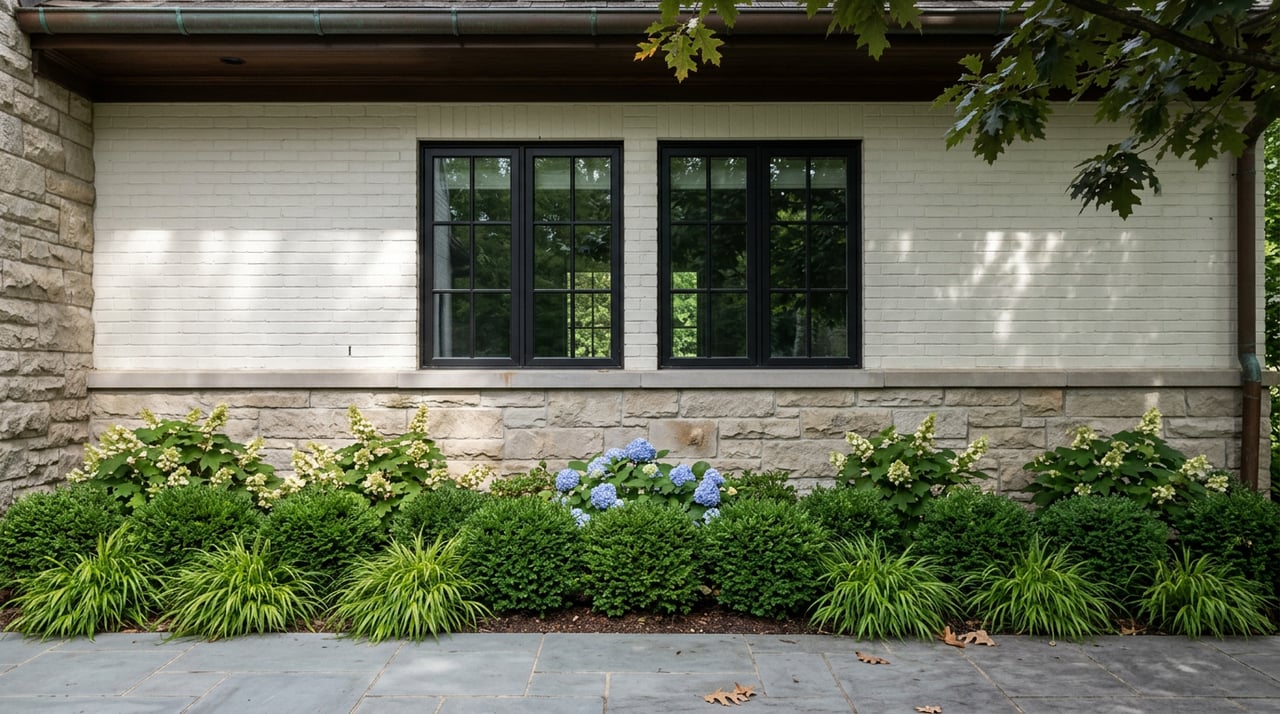
If your home has brick or stone masonry, repointing should be handled with care. Proper repointing can restore both appearance and physical integrity, while improper mortar can damage the masonry itself.
For painted wood surfaces, aggressive paint-removal methods can permanently harm historic material. Targeted repair is typically the safer approach when you want the home to present well without compromising original details.
Keep Updates Compatible
Not every pre-listing improvement needs to be major, but every visible change should fit the house. Franklin’s residential guidelines say original wood siding, shingles, weatherboard, board-and-batten, and other wooden elements should be maintained and not covered or concealed.
The city also says original foundations should be preserved and should not be obscured by artificial materials such as vinyl siding or stone veneer. When replacement is unavoidable, the replacement material should match the historic material in composition and appearance.
This is especially important for sellers who are tempted by quick cosmetic fixes. A fast update that clashes with the home’s architecture can work against your sale instead of helping it.
Preserve porches and stairs
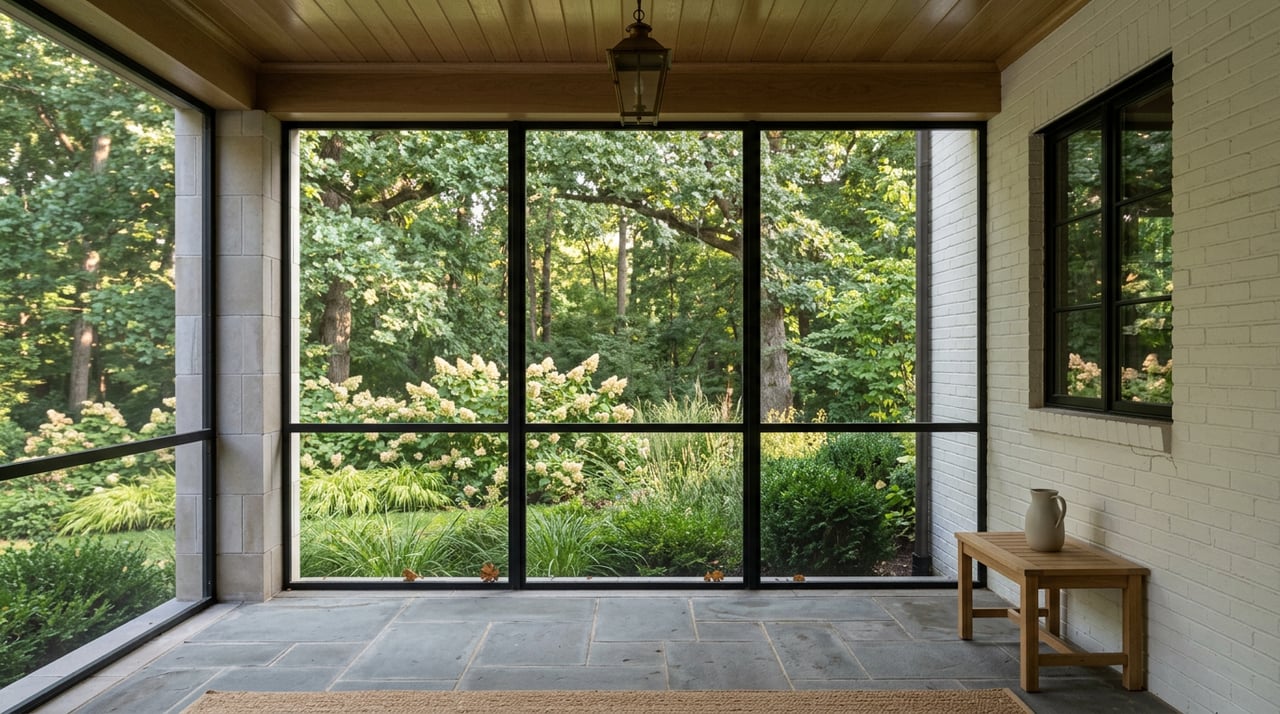
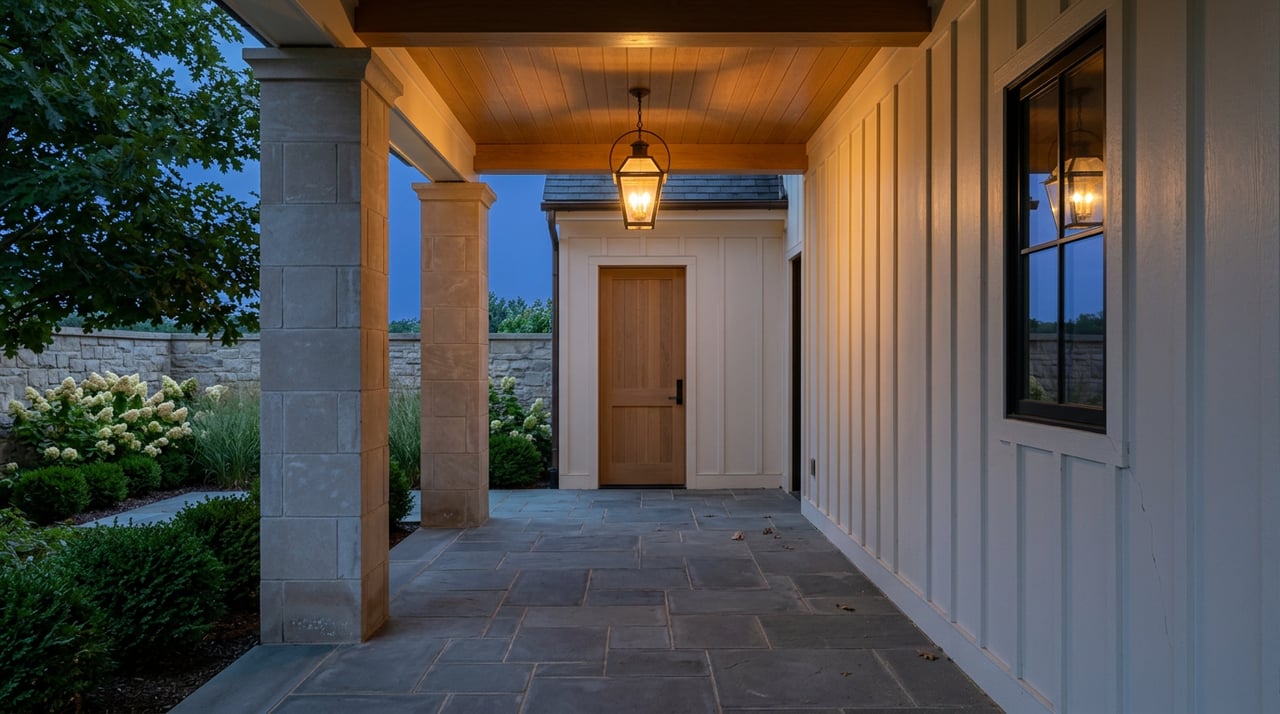
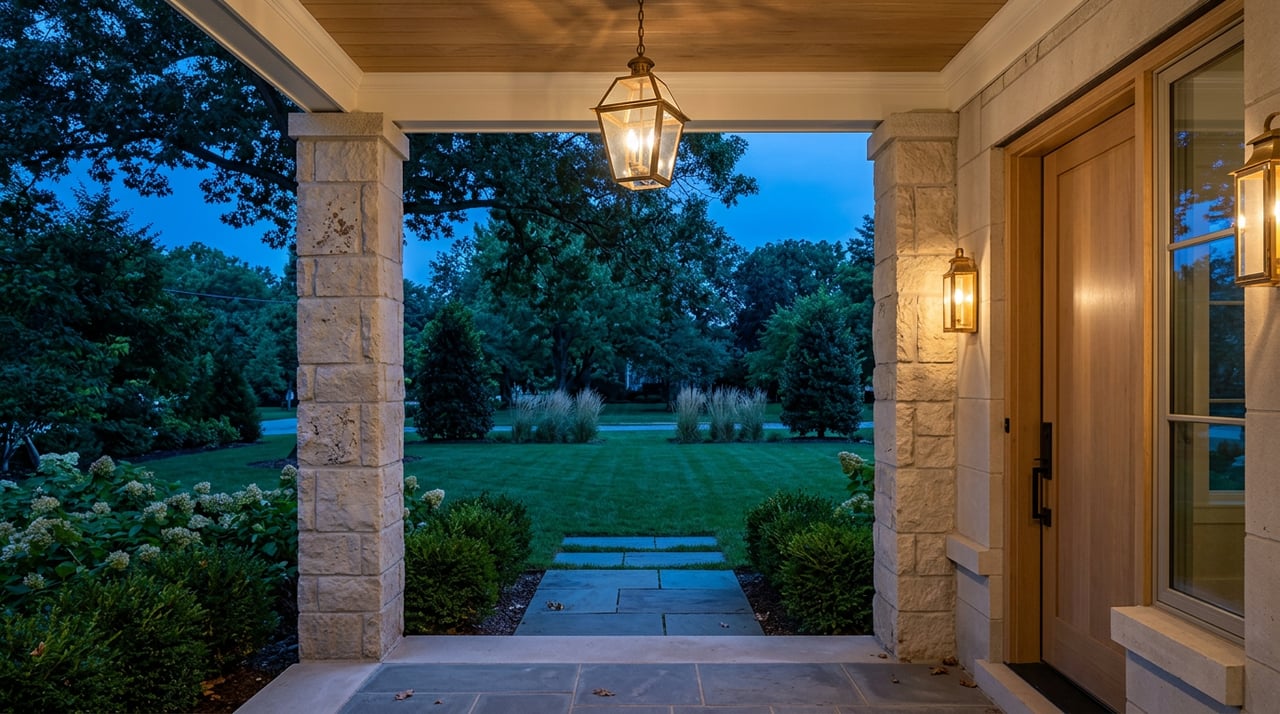
Porches are often one of the most memorable parts of a historic Franklin home. The city says original porch locations, railings, trim, columns, and stair materials should be preserved and repaired with matching materials.
Franklin also discourages enclosing prominent porches or enclosing a porte cochere. If your porch needs attention before listing, a compatible repair is usually a smarter move than a redesign.
Treat additions carefully
If you are considering finishing a project before selling, remember that additions should remain secondary in prominence. Franklin says they should not block views of historic buildings, and compatible massing, size, scale, and architectural features matter.
If a larger exterior project is still unfinished, it may be worth discussing whether to complete it now or market the home with a clear record of approved plans and improvements already in place.
Tidy site features too
Buyers notice more than the house itself. Franklin’s COA rules can apply to walkways, driveways, parking areas, lighting, fences, walls, signs, and other site elements.
That makes it wise to keep landscaping, screening, walkways, and lighting neat and compatible with the property. Before changing visible exterior elements, confirm the correct city review path.
Plan for Lead Paint Rules
If your historic home was built before 1978, federal lead-based paint rules apply at sale. Sellers of pre-1978 homes must disclose known lead-based paint or lead hazards and provide the required pamphlet and warning language.
This is also important during pre-listing repairs. Renovation work that disturbs painted surfaces can create dangerous lead dust, so careful planning matters if you are repainting trim, repairing siding, or replacing exterior elements.
Using lead-aware contractors can help reduce risk and keep your preparation process on track. It also helps you answer buyer questions with more confidence once the home is on the market.
Market the Franklin Story
A historic Franklin home is more than an older structure. Its appeal often comes from the combination of architecture, location, and the experience of living near one of Middle Tennessee’s best-known downtown areas.
The City of Franklin describes downtown as a 15-block historic district with brick sidewalks, renovated historic buildings, shops, restaurants, galleries, and other amenities. For many buyers, that setting is part of the value.
Visit Franklin notes that Main Street includes boutiques, home-goods stores, art galleries, and restaurants in historic buildings dating back as far as 1799. The area also offers guided and self-guided walking tours, which adds to the sense of place buyers are often looking for.
Highlight walkability and events
Franklin’s annual events help bring the historic district to life. The city lists events such as Main Street Festival, Pumpkinfest, Wine Down Main Street, the Christmas Tree Lighting, and the Christmas Parade.
When your home is near downtown, those events can help frame the lifestyle around the property. Instead of marketing only square footage or finishes, you can present the home as part of an active historic setting with year-round community activity.
Use documentation to support the story
The strongest historic-home marketing usually pairs charm with documentation. Research from city records and historic archives can help you present original details, known updates, and property history accurately.
That kind of detail matters. It helps buyers understand what is authentic, what has been improved, and how the home fits into Franklin’s historic context without overstating what remains original.
Build a Smart Pre-Listing Plan
If you want to prepare your historic Franklin home for a successful sale, start with the items that shape both compliance and buyer trust. Confirm district status, research the property’s history, and identify any work that may require city review.
From there, focus on visible character-defining features first. Repair roofs, windows, porches, masonry, and woodwork carefully, keep cosmetic updates compatible with the architecture, and avoid shortcuts that can undermine historic integrity.
Finally, make sure your marketing reflects more than the house alone. A well-prepared historic property in Franklin should tell a complete story about craftsmanship, documentation, and the downtown lifestyle that makes the location so appealing.
If you are preparing a historic home for sale in Franklin and want principal-level guidance on positioning, timing, and presentation, Greg Sanford can help you build a thoughtful strategy tailored to your property.
FAQs
What should you do first before updating a historic Franklin home for sale?
- First, confirm whether the home is in a locally designated historic district or Historic Preservation Overlay District, then check whether planned exterior work requires a Certificate of Appropriateness.
What exterior work may require a Certificate of Appropriateness in Franklin?
- Franklin says review may be required for items such as additions, relocation, demolition, signs, awnings, fences or walls, window replacement, siding beyond routine maintenance, and roofing beyond routine maintenance.
What repairs should sellers prioritize on a historic home in Franklin?
- Sellers should usually focus first on visible, character-defining features such as rooflines, porches, windows, masonry, entry details, and exterior woodwork.
Can you replace historic windows before listing a Franklin home?
- Window replacement may require review, and the repair-first approach is usually encouraged, including inspection, caulking, weatherstripping, and glazing repair before full replacement is considered.
How should you market a historic home near downtown Franklin?
- Market the home with accurate property history, preserved architectural details, and the lifestyle benefits of Franklin’s 15-block historic downtown, including shops, restaurants, galleries, and annual events.
What lead paint rules apply when selling an older Franklin home?
- If the home was built before 1978, sellers must disclose known lead-based paint or lead hazards and provide the required pamphlet and warning language at sale.