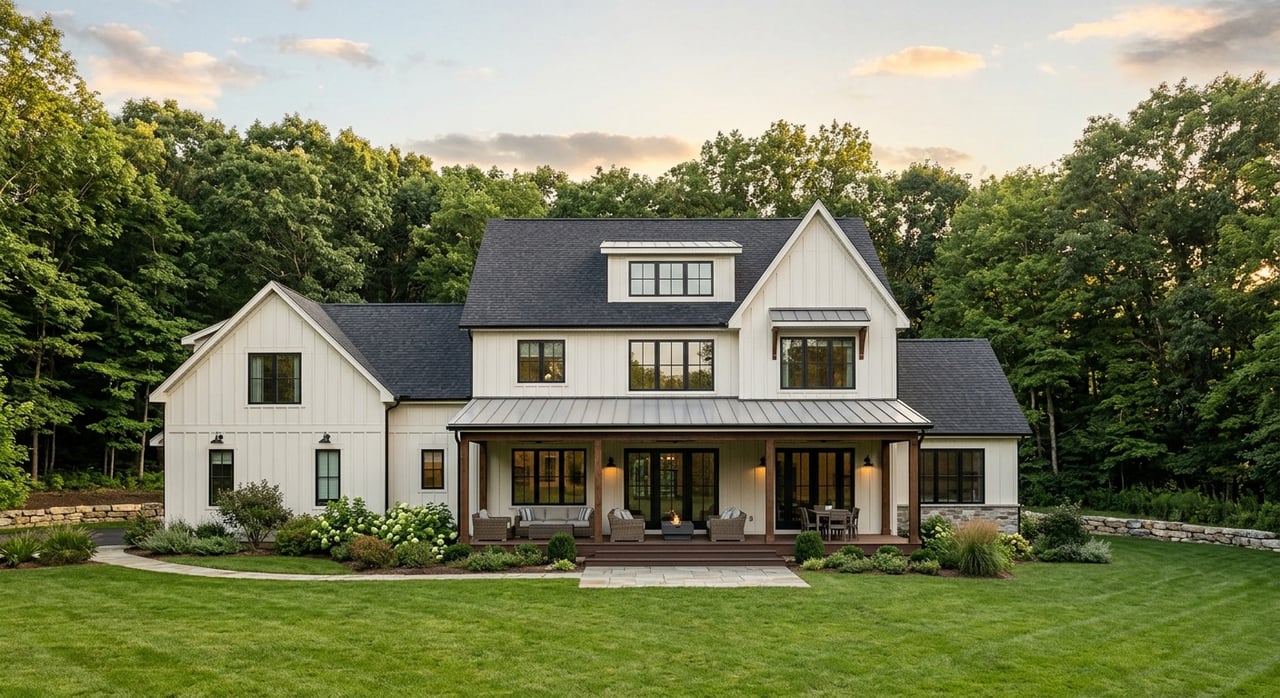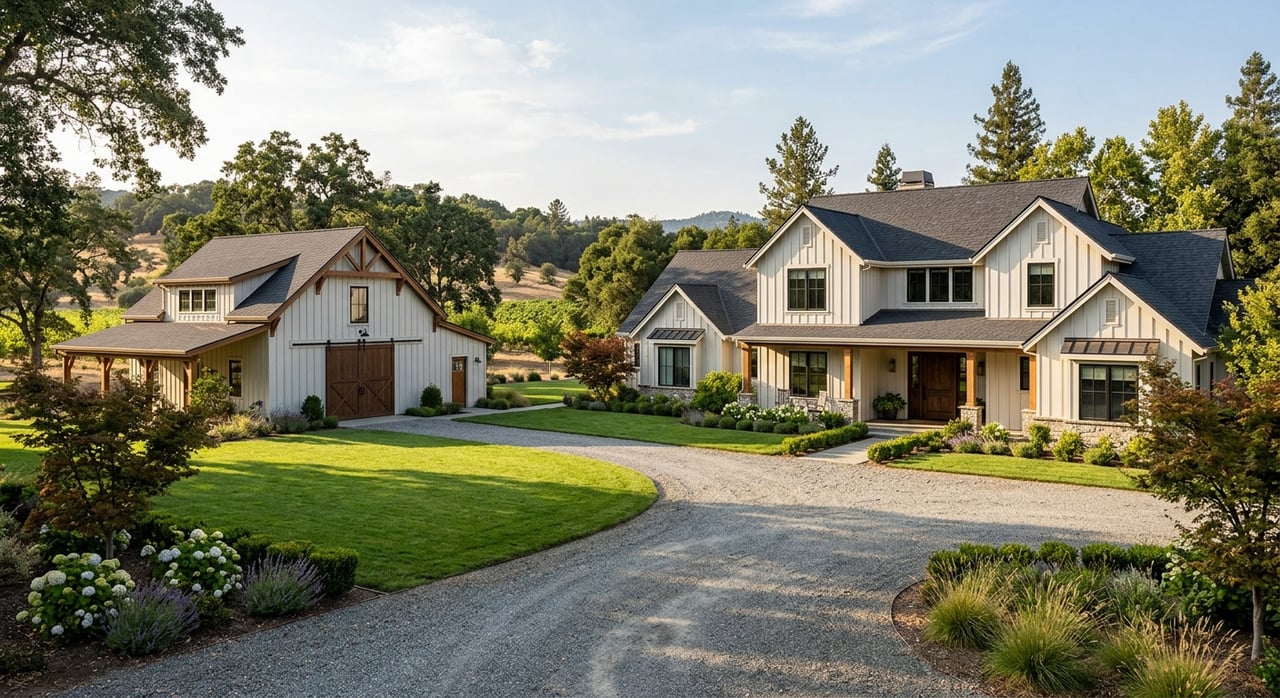
If you are drawn to College Grove, you are probably choosing between two very different versions of luxury rural living. One gives you gates, golf, dining, and a built-in social framework. The other gives you acreage, privacy, and more control over how your property works day to day. Knowing which lifestyle fits you can save time, sharpen your search, and help you buy with more confidence. Let’s dive in.
Two Ways to Live in College Grove
In practical terms, College Grove often comes down to club community living or standalone country estate living. Both can deliver space, privacy, and a high-end setting, but they do it in very different ways.
Club communities center ownership around the home and the lifestyle package that comes with it. Standalone estates and farms put more weight on the land itself, which means your freedom may be greater, but so is your responsibility.
What Club Community Living Includes
If you choose a club community, you are not just buying square footage. You are also buying into amenities, operating rules, membership structure, and a shared vision for how the community functions.
In College Grove, The Grove and Troubadour are the clearest examples of this model. Each offers a private, highly curated residential environment, but the lifestyle emphasis is a major part of the value.
The Grove at a Glance
The Grove is a 1,100-acre gated community located just outside Nashville and minutes from Franklin. Its public marketing currently shows homes from the low $2 million range to over $6 million, along with custom homesites from $445,000 to over $1.1 million.
Its amenity package is extensive. The public site highlights a full-service spa, fitness classes, tennis, pickleball, trails, parks, equestrian offerings, and dining, all centered around a resort-style residential setting.
The Manor House serves as the community’s social hub. According to the public FAQ, it includes casual and fine dining, a bar and lounge, a wine cellar, locker rooms, gathering areas, a pro shop, the Rosemary Spa, a fitness center, and meeting rooms.
The Grove Membership Structure
The Grove offers both Sports Membership and Golf Membership. Sports Membership includes pools, parks, tennis, a kids’ club, hiking, fishing, equestrian access, and a staffed fitness center, while Golf Membership adds full access to club facilities and the Greg Norman Signature Course and practice field.
The public membership information also notes that memberships are family memberships, guests are allowed under club rules, and seller-paid transfer fees are part of the resale process for resident memberships. That matters because your ownership costs and resale planning may involve more than the house itself.
Troubadour at a Glance
Troubadour is a members-only residential community between College Grove and Arrington. Its official pages describe it as a roughly 375-home community on an 860-acre property, with a location about 30 miles south of downtown Nashville, 35 miles from Nashville International Airport, and 13 miles from downtown Franklin.
The overall feel is intimate and highly curated. The lifestyle is built around a Tom Fazio-designed 18-hole golf course, a resort-style pool, dining, outdoor pursuits, music programming, and residential services.
The lifestyle page also states that staff can coordinate daily activities and excursions, handle grocery pickups, and manage everyday details. The Homestead includes a 40,000-square-foot clubhouse and wellness complex, which pushes the experience well beyond what most people think of as a typical neighborhood.
Troubadour Home Options
Troubadour offers several residence types, including cabins, club cottages, family homes, and estate lots. Official floor plans range from about 3,827 square feet to more than 7,000 square feet.
That range gives buyers flexibility within a club setting. You may want a lock-and-leave option, a larger household layout, or an estate lot with more room, but the community experience remains part of the overall value.
Why Buyers Choose Club Communities
Club living appeals to buyers who want convenience, programming, and a strong social rhythm built into daily life. Instead of creating every element of your property experience on your own, many pieces are already in place.
That can include things like dining, recreation, fitness, gathering spaces, and organized activities. In communities like The Grove and Troubadour, the experience is designed to feel cohesive and service-oriented.
For some buyers, that tradeoff is easy. You may give up some autonomy, but gain a more turnkey lifestyle with fewer moving parts to manage yourself.
What Standalone Country Estate Living Changes
A standalone estate or farm offers a very different kind of value. Here, the focus is less on club infrastructure and more on land control, privacy, flexibility, and long-term use.
That can be especially appealing if you want room for agricultural use, outbuildings, a custom estate setting, or simply more separation from neighbors and community rules. But this path comes with more due diligence.
Zoning and Land Use Matter More
Williamson County’s zoning framework plays a major role in what a buyer can actually do with acreage in and around College Grove. The county’s ordinance includes a Voluntary Agricultural District with a 15-acre minimum lot area and a stated purpose of supporting agriculture, horticulture, and animal husbandry.
The county also includes rural zoning districts such as RP-5 and RD-5, which support agricultural, rural, and low-density residential development with traditional subdivision minimums of 5 acres. Other districts, including RP-1 and RD-1, allow lower-density residential development where infrastructure is available.
The important takeaway is simple: not all land in College Grove is governed the same way. A parcel may look perfect at first glance, but zoning, lot size rules, and development standards can shape what is realistic.
Subdivision Rules Still Apply
Williamson County states that subdivision regulations govern all subdivision of land in unincorporated parts of the county. These regulations are intended to support orderly land layout, reduce traffic congestion, and help ensure public facilities are available.
The county also identifies College Grove as one of its special-area-plan communities. That means land-use compatibility and site planning carry extra weight in this area.
If you are thinking beyond the current home and wondering about future splits, building sites, or long-term land planning, these rules matter early in the search. This is where local process knowledge can make a real difference.
Septic and Utility Questions Are Critical
On standalone acreage, infrastructure can be one of the biggest variables. The College Grove Special Area Plan states that the Nolensville/College Grove Utility District serves existing customers, but sufficient capacity does not currently exist for new development, and sewer service beyond traditional septic systems is currently not available in the village.
The same plan also says septic use is limited on many properties because of unsuitable soils. In plain terms, that means you should verify feasibility before assuming a parcel can support your intended use.
Williamson County’s sewage disposal office enforces onsite septic rules, and Tennessee’s subsurface sewage disposal program requires a septic-system construction permit for installation of a subsurface sewage disposal system. Soil work, permit history, and current county requirements should be core parts of your due diligence.
Why Buyers Choose Standalone Estates
Standalone estates usually appeal to buyers who want more independence. You may care more about acreage shape, privacy, outbuildings, agricultural potential, or future flexibility than you do about shared amenities.
This path can be especially attractive if you want the land itself to carry long-term value. Instead of paying for a club ecosystem, you are prioritizing control over how the property functions today and how it may serve you later.
That said, more freedom usually means more responsibility. Utilities, access, septic, maintenance, and use limitations often sit more directly on the owner.
How Resale Differs Between the Two
Resale in a club community is about more than finishes and floor plan. In places like The Grove, public materials make clear that resident memberships are tied to the property and can involve dues structure and transfer-fee considerations.
At Troubadour, buyers are also weighing the overall club experience. The home matters, but so do the services, setting, and community model.
A standalone estate or farm usually resells on different fundamentals. Buyers will often focus on acreage layout, zoning, greenbelt status, septic feasibility, water availability, outbuildings, and whether the property supports the next owner’s intended use.
Greenbelt Can Change the Math
If you are considering qualifying farm or forest acreage, Tennessee’s Greenbelt law may materially affect property taxes. Williamson County and the state indicate that agricultural land generally must be at least 15 acres, and the county also notes that rollback taxes can apply when a tract no longer qualifies.
For some buyers, this can become a meaningful part of the ownership equation. If the land is intended to function as a working farm, long-term hold, or rural legacy asset, present-use tax treatment may be worth reviewing carefully.
Questions to Ask Before You Decide
Before you choose a club community or a country estate in College Grove, it helps to ask yourself a few direct questions:
- Do you want a built-in lifestyle, or do you want maximum land control?
- How important are amenities like dining, golf, fitness, and organized activities?
- Are you comfortable with membership structures, dues, and transfer requirements?
- Do you want acreage for a specific use that may require zoning and septic verification?
- Is long-term resale tied more to lifestyle appeal or land utility for your goals?
Your answers usually make the right path much clearer. In College Grove, neither model is inherently better. The best choice is the one that fits how you want to live and what you want the property to do for you over time.
The Bottom Line for College Grove Buyers
College Grove offers two legitimate luxury-rural paths. Club communities like The Grove and Troubadour package lifestyle, service, and shared amenities into ownership, while standalone estates and farms offer more privacy, more flexibility, and more direct responsibility for the land.
If you are deciding between the two, the key is not just what looks appealing online. It is understanding how zoning, utilities, membership structure, land use, and resale considerations line up with your priorities.
That kind of decision benefits from local knowledge, especially in a market where land-use details and community frameworks can shape both value and day-to-day experience. If you want a private, informed conversation about buying in College Grove, reach out to Greg Sanford for principal-level guidance.
FAQs
What does club community living in College Grove include?
- Club community living in College Grove typically includes the home plus access to shared amenities, membership structure, community rules, dining, recreation, fitness, and social spaces, depending on the community.
What makes The Grove different from a standalone estate in College Grove?
- The Grove combines private residential ownership with amenities such as spa, dining, fitness, racquet sports, trails, and membership options, while a standalone estate focuses more on the land itself and owner-managed property decisions.
What is important to check before buying land in College Grove?
- Before buying land in College Grove, you should closely review zoning, minimum lot size requirements, subdivision rules, septic feasibility, utility availability, and any permit history tied to the parcel.
Why is septic feasibility such a big issue for College Grove acreage?
- Septic feasibility matters because the College Grove Special Area Plan states that sewer service beyond traditional septic systems is not currently available in the village and that many properties have soil limitations affecting septic use.
How does resale differ between a club home and a country estate in College Grove?
- A club home often resells based on both the property and the community experience, including membership structure, while a country estate usually resells more on acreage utility, zoning, infrastructure, and land flexibility.
Can Greenbelt status matter when buying a farm in College Grove?
- Yes, Greenbelt status can matter because qualifying agricultural land is generally taxed on present use rather than market value, though eligibility rules and possible rollback taxes should be reviewed carefully.